

Thousands of cars in one place to make your choice easier. Find the perfect match for your budget and style.
Self-driving cars, also known as autonomous vehicles, are poised to revolutionize road safety and the automotive industry.

Writer
Last update: 102 days ago
Carify Office
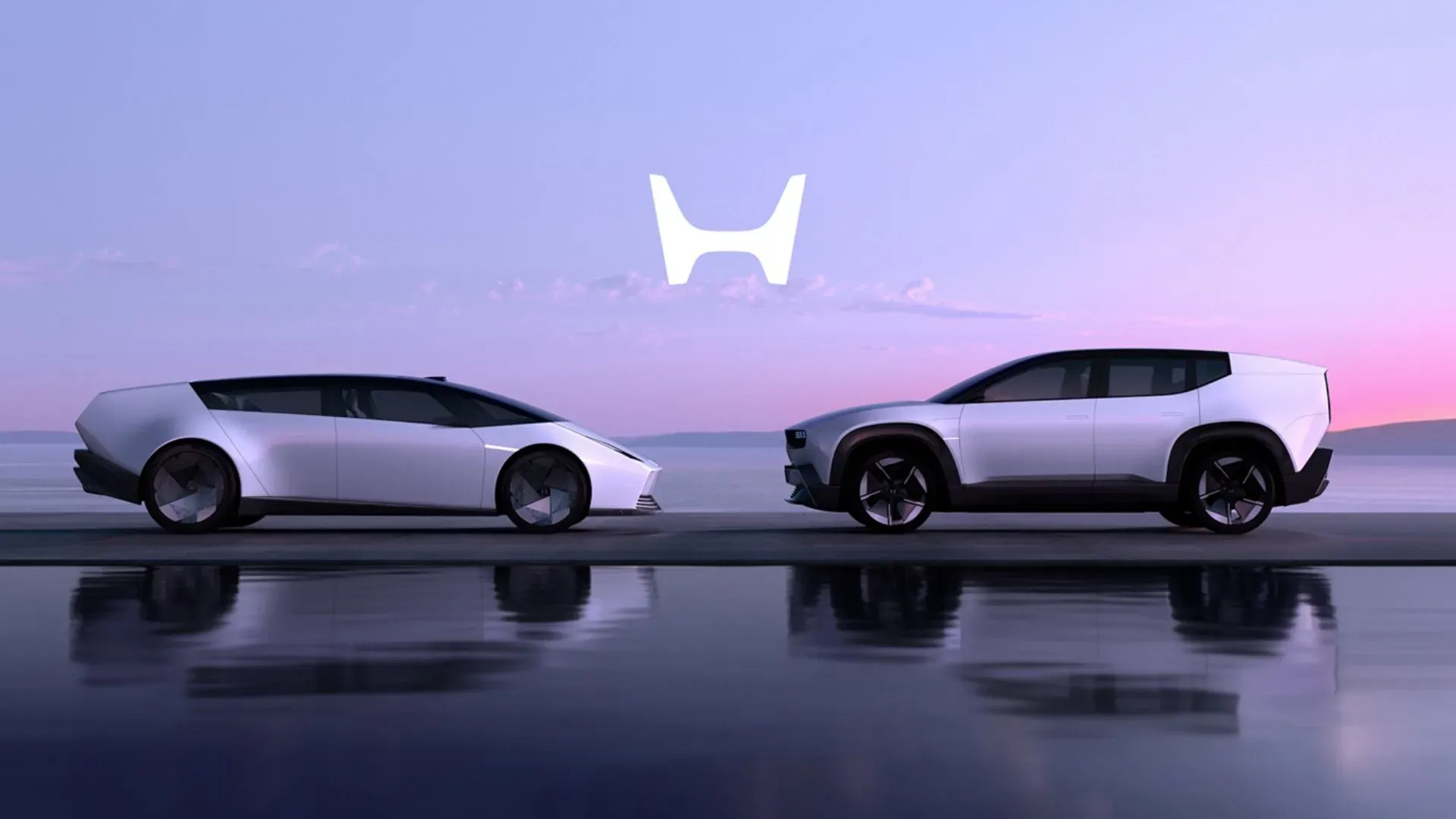
The year 2025 marks a pivotal moment in the global automotive industry — a period defined by rapid technological transformation, sustainability goals, and a complete reimagining of what a “car” really is. Electric mobility, AI-driven systems, and smart connectivity are shaping the future of how we move.
⚡ 1. Electrification and Next-Generation Powertrains
Electric vehicles (EVs) are no longer just a trend — they’re the new standard. But automakers are taking a more flexible path toward full electrification, introducing hybrid and plug-in hybrid systems to bridge the gap.
🔋 Key Developments
Battery costs continue to drop, making EVs more affordable and accessible.
New battery chemistries allow for faster charging and longer range.
Competition between China, Korea, Europe, and the U.S. is intensifying.
🚘 What This Means for Drivers
Longer-range, faster-charging EVs are entering the market.
In emerging markets like Turkey and Azerbaijan, hybrid vehicles may dominate during the transition period.
Public charging infrastructure is expanding rapidly, though unevenly across regions.
🧠 2. Software-Defined and Connected Vehicles
Cars are evolving from mechanical machines into software-driven platforms on wheels.
Modern vehicles can receive Over-the-Air (OTA) updates, gaining new features without a visit to the dealership.
💡 Examples
Tesla, BMW, and Hyundai already offer post-purchase software upgrades.
5G connectivity and V2X (Vehicle-to-Everything) communication enable real-time interaction between cars, infrastructure, and the cloud.
Artificial intelligence is learning driver habits to personalize in-car experiences.
⚠️ What to Watch Out For
Cybersecurity is becoming a top concern as vehicles become more connected.
Software maintenance will be as important as mechanical servicing in the near future.
🤖 3. Autonomous and Semi-Autonomous Driving
Fully driverless cars aren’t mainstream yet, but semi-autonomous systems are now a reality.
Major brands like Mercedes, BMW, and BYD are introducing Level 3 self-driving capabilities.
🚦 What’s New
Vehicles can control steering, braking, and acceleration under certain conditions.
Robotaxi services are being tested in China and the U.S.
Expect semi-autonomous driving to become standard in mid-range models within a few years.
🌱 4. Sustainable Materials and Green Manufacturing
Automakers are focusing not just on performance but also on environmental responsibility.
Sustainability is becoming a core design principle.
♻️ Current Trends
Lightweight structures made from carbon fiber and aluminum improve efficiency.
Factories are adopting renewable energy and low-emission processes.
Interior materials increasingly feature recycled plastics, bio-leather, and natural fibers.
🌍 Why It Matters
Lighter cars mean better fuel economy and range.
Green production boosts brand image and meets stricter environmental regulations.
🧭 5. The Big Picture: What’s Next?
The automotive world of 2025 and beyond is defined by a blend of innovation and adaptability:
Trend Description
⚡ Hybrid + Electric Systems A practical bridge toward full electrification.
🧠 Software and Connectivity Cars evolve into continuously updated digital platforms.
🤖 Semi-Autonomous Driving Improved safety and driver comfort.
🌿 Sustainable Manufacturing Eco-friendly materials and carbon reduction.
📱 Personalized Mobility Cars integrate seamlessly with users’ digital lifestyles.
✍️ Conclusion
The automotive industry is transforming faster than ever before.
As this evolution accelerates, drivers should begin asking new questions:
Which powertrain suits my lifestyle best — electric, hybrid, or traditional?
Does my car support software updates and connected services?
How advanced are its safety and AI systems?
Is the manufacturer committed to sustainability?
In short, the car of the future is not just a means of transport — it’s a smart, efficient, and environmentally responsible companion designed to make mobility seamless. 🌍🔋
Highly curated content, case studies, Riverside updates, and more.
Share this post:
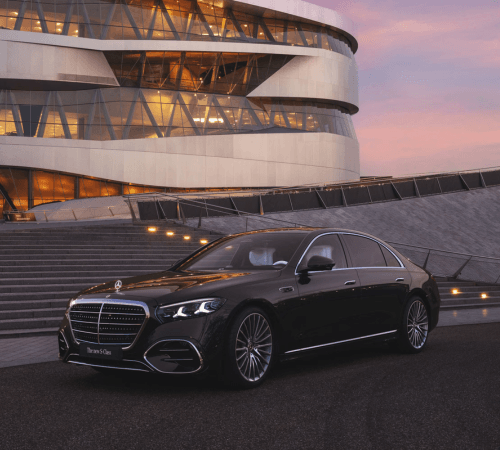
Mercedes-Benz’s flagship S-Class enters 2026 with a comprehensive update. This refresh goes far beyond minor tweaks — it introduces significant improvements in design, technology, comfort, and driving experience.
2 days ago
View Detail
In the past, buying a car meant talking about engine size, horsepower, or fuel consumption. Today, completely different questions are coming to the forefront
3 days ago
View Detail
Buying a car is a long-term financial decision that requires careful research. Knowing what to consider when buying a car helps you choose the right vehicle while protecting your budget, we cover the most important points to consider when purchasing a new or used car.
4 days ago
View Detail
Modern cars have gone beyond being just a means of transportation. With advancing technology, vehicles have become smart devices that shape our lives in terms of safety, comfort, and connectivity.
5 days ago
View Detail