

Thousands of cars in one place to make your choice easier. Find the perfect match for your budget and style.
Blog>Cars Are Now Computers on Wheels: The Rise of In-Car Software
In the past, buying a car meant talking about engine size, horsepower, or fuel consumption. Today, completely different questions are coming to the forefront

Writer
Last update: 3 days ago
Sabina
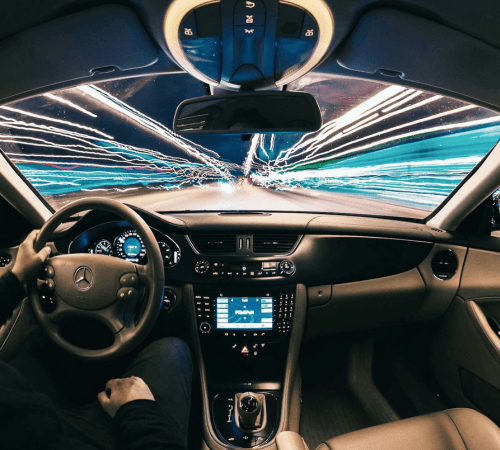
In the past, buying a car meant talking about engine size, horsepower, or fuel consumption. Today, completely different questions are coming to the forefront:
“Does it receive updates?”, “How big is the screen?”, “What level of autonomous driving does it have?”
Because modern cars are no longer just means of transportation — they are computers on wheels.
OTA Updates: Cars That Improve Without Visiting a Service Center
We’re used to our smartphones updating overnight. The same is now true for cars.
Thanks to Over-The-Air (OTA) updates:
Engine management can be improved
Fuel efficiency can be optimized
Driving assistance systems can be enhanced
Even brand-new features can be added
In other words, your car can improve instead of age as you use it.
Is Software More Important Than Hardware?
Today, many car brands use similar engines or platforms. What really makes the difference is:
Interface smoothness
Voice assistant performance
Driving support algorithms
Navigation and AI integration
That’s why the question “How many horsepower does it have?” is now joined by
“How smart is its software?”
Subscription-Based Features: A Controversial Future
Some brands have started offering features like heated seats or advanced driving modes via subscriptions.
This has sparked major debate in the automotive world:
The hardware exists but is locked by software
Users pay monthly if they want access
If not, the feature remains inactive
This system suggests that cars may become products we use rather than fully own.
What Will We Ask When Buying Cars in the Future?
In the near future, these questions will feel completely normal:
How long is the software support?
Are updates free?
How is data security handled?
Does AI learn my driving habits?
The automotive world is quietly but rapidly changing. We’re still behind the wheel — but now, millions of lines of code are working with us.
Highly curated content, case studies, Riverside updates, and more.
Share this post:
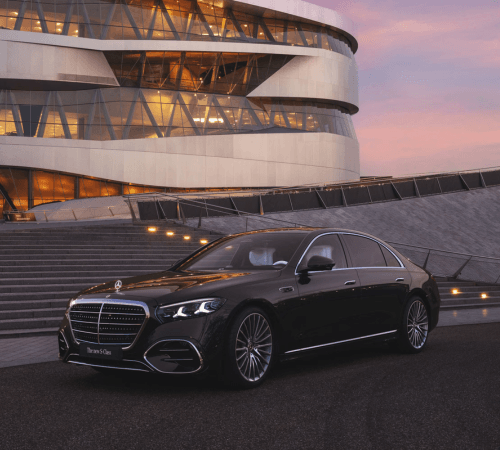
Mercedes-Benz’s flagship S-Class enters 2026 with a comprehensive update. This refresh goes far beyond minor tweaks — it introduces significant improvements in design, technology, comfort, and driving experience.
2 days ago
View Detail
In the past, buying a car meant talking about engine size, horsepower, or fuel consumption. Today, completely different questions are coming to the forefront
3 days ago
View Detail
Buying a car is a long-term financial decision that requires careful research. Knowing what to consider when buying a car helps you choose the right vehicle while protecting your budget, we cover the most important points to consider when purchasing a new or used car.
4 days ago
View Detail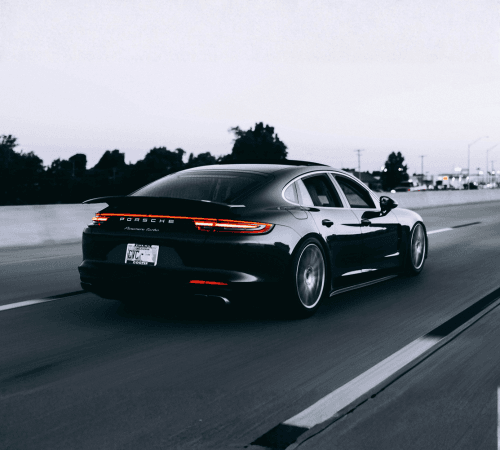
Modern cars have gone beyond being just a means of transportation. With advancing technology, vehicles have become smart devices that shape our lives in terms of safety, comfort, and connectivity.
5 days ago
View Detail