

Thousands of cars in one place to make your choice easier. Find the perfect match for your budget and style.
Blog>Electric Cars – The Road of the Future or Just a Trend?
In recent years, one of the hottest topics in the automotive world has been electric vehicles (EVs). Praised for being eco-friendly and reducing reliance on fossil fuels, EVs spark debates about whether they will replace traditional gasoline and diesel cars. But are electric vehicles truly the future, or just a temporary trend?

Writer
Last update: 6 days ago
Sabina
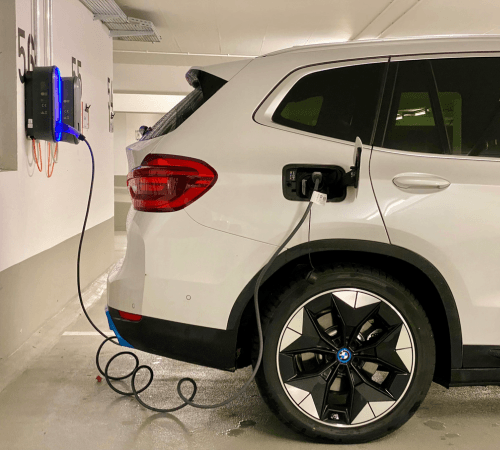
In recent years, one of the hottest topics in the automotive world has been electric vehicles (EVs). Praised for being eco-friendly and reducing reliance on fossil fuels, EVs spark debates about whether they will replace traditional gasoline and diesel cars. But are electric vehicles truly the future, or just a temporary trend?
1. Eco-Friendly and Economical
The biggest advantage of EVs is their low carbon footprint. Especially in urban areas, zero emissions mean cleaner air and a healthier environment. Additionally, charging an EV is generally cheaper than fueling a gasoline car, offering significant long-term savings.
2. Charging Infrastructure and Range Anxiety
One of the main challenges is charging infrastructure. Many areas still lack enough charging stations, and range anxiety can be a concern on long trips. However, technology is advancing rapidly, with higher-capacity batteries and fast-charging stations becoming more common.
3. Performance and Driving Experience
EVs deliver a smooth, quiet driving experience. With instant torque, many can accelerate faster than traditional sports cars. This makes them not only eco-friendly but also exciting to drive.
4. Future Outlook
Automakers plan to increase EV production significantly in the next decade. Some European countries aim to allow only EV sales by 2035, signaling that electric vehicles are likely to become the backbone of transportation.
5. Conclusion
Although EVs face technical and economic challenges, they are strong candidates for the future of transportation. If charging networks expand and battery costs decrease, seeing gasoline and diesel cars in cities might become rare.
Highly curated content, case studies, Riverside updates, and more.
Share this post:
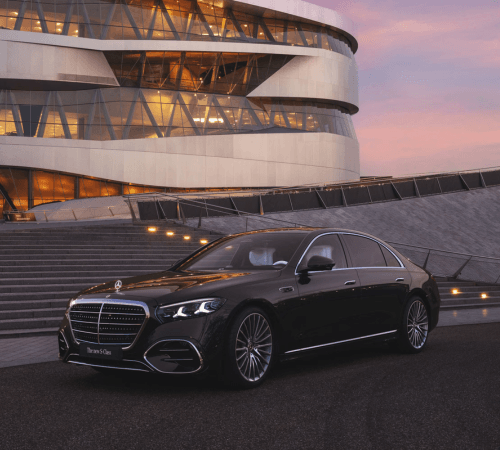
Mercedes-Benz’s flagship S-Class enters 2026 with a comprehensive update. This refresh goes far beyond minor tweaks — it introduces significant improvements in design, technology, comfort, and driving experience.
2 days ago
View Detail
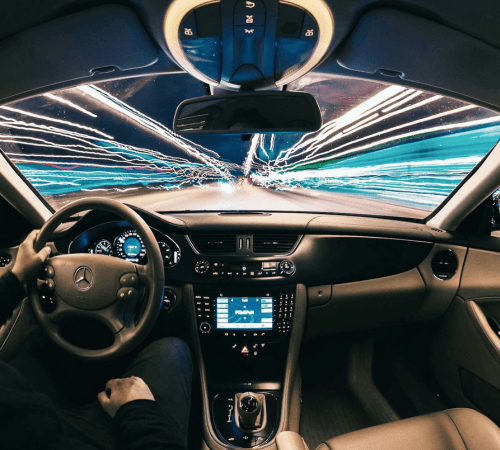
In the past, buying a car meant talking about engine size, horsepower, or fuel consumption. Today, completely different questions are coming to the forefront
3 days ago
View Detail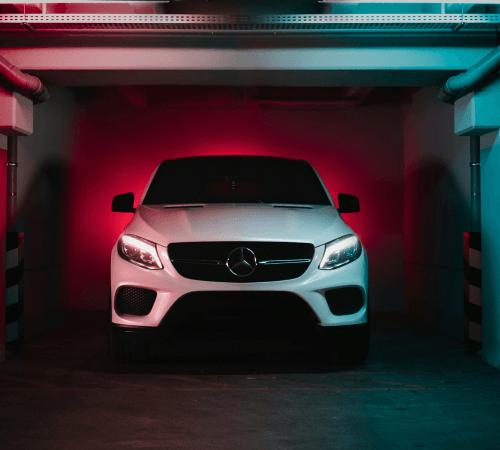
Buying a car is a long-term financial decision that requires careful research. Knowing what to consider when buying a car helps you choose the right vehicle while protecting your budget, we cover the most important points to consider when purchasing a new or used car.
4 days ago
View Detail
Modern cars have gone beyond being just a means of transportation. With advancing technology, vehicles have become smart devices that shape our lives in terms of safety, comfort, and connectivity.
5 days ago
View Detail