

Thousands of cars in one place to make your choice easier. Find the perfect match for your budget and style.
Blog>What You Need to Know About Electric Cars: Advantages, Disadvantages, and the Future
In recent years, the automotive industry has been undergoing a major transformation. Electric cars are becoming increasingly popular thanks to their environmentally friendly nature and low operating costs. But are electric vehicles really worth it? Let’s take a closer look.

Writer
Last update: 12 days ago
Sabina
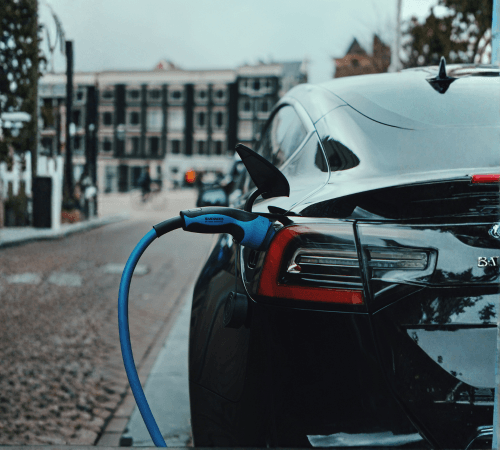
In recent years, the automotive industry has been undergoing a major transformation. Electric cars are becoming increasingly popular thanks to their environmentally friendly nature and low operating costs. But are electric vehicles really worth it? Let’s take a closer look.
Advantages of Electric Cars
One of the biggest advantages of electric vehicles is that they operate with zero emissions, significantly reducing environmental pollution. In addition:
Fuel costs are much lower compared to internal combustion engines.
Maintenance costs are reduced due to simpler motor structures.
They offer a quiet and smooth driving experience.
Tax benefits and government incentives may be available.
Disadvantages of Electric Cars
Despite their many advantages, electric cars also have some drawbacks:
Charging infrastructure may be insufficient in some regions.
Charging takes longer than refueling with gasoline.
Initial purchase prices can be higher for some models.
Long-distance trips require more careful planning.
Charging Time and Driving Range
Today’s electric vehicles typically offer a driving range between 300 and 600 km. With fast-charging stations, up to 80% of the battery can be charged in about 30–40 minutes, while home charging may take several hours.
The Future of Electric Cars
Automotive manufacturers are planning to invest more heavily in electric models in the coming years. Advances in battery technology are expected to bring longer range, faster charging, and more affordable prices. Experts believe electric vehicles will soon become the industry standard.
Conclusion
Electric cars present a strong alternative in terms of environmental responsibility and economic benefits. If you mainly drive in urban areas, an electric vehicle could be an ideal choice for you.
Follow our blog for the latest automotive news, comparisons, and buying guides.
Highly curated content, case studies, Riverside updates, and more.
Share this post:
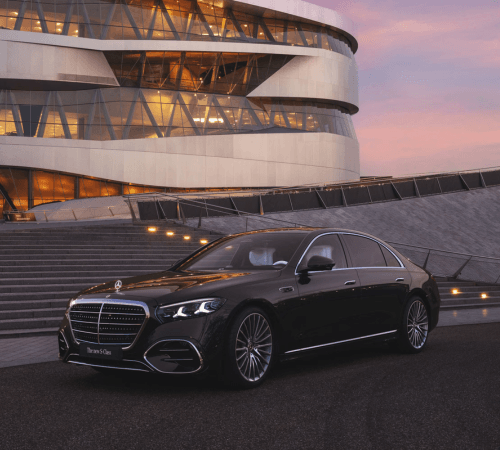
Mercedes-Benz’s flagship S-Class enters 2026 with a comprehensive update. This refresh goes far beyond minor tweaks — it introduces significant improvements in design, technology, comfort, and driving experience.
2 days ago
View Detail
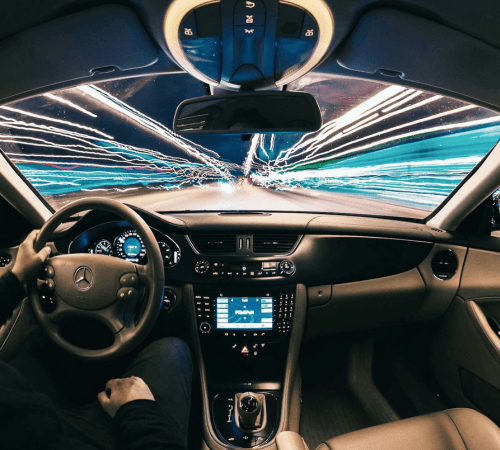
In the past, buying a car meant talking about engine size, horsepower, or fuel consumption. Today, completely different questions are coming to the forefront
3 days ago
View Detail
Buying a car is a long-term financial decision that requires careful research. Knowing what to consider when buying a car helps you choose the right vehicle while protecting your budget, we cover the most important points to consider when purchasing a new or used car.
4 days ago
View Detail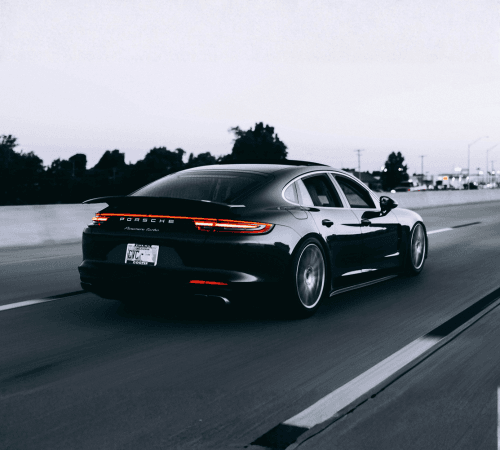
Modern cars have gone beyond being just a means of transportation. With advancing technology, vehicles have become smart devices that shape our lives in terms of safety, comfort, and connectivity.
5 days ago
View Detail