

Thousands of cars in one place to make your choice easier. Find the perfect match for your budget and style.
Blog>Invisible Comfort in Cars: Why Ergonomics Is More Important Than We Think
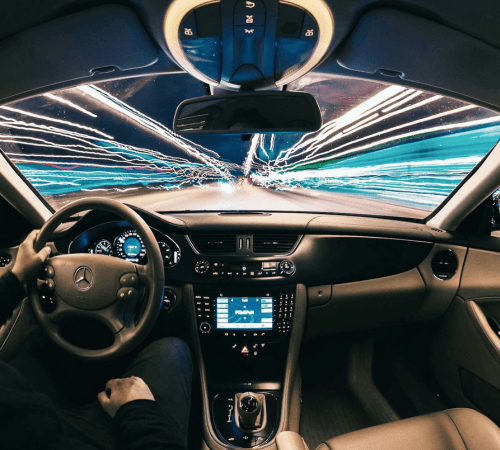
When you get into a car and immediately think “comfortable” or “uncomfortable,” there is usually a concept working in the background that you don’t consciously notice: ergonomics. Automotive ergonomics covers the entire physical interaction between the driver, passengers, and the vehicle, and it directly affects the driving experience.

Writer
Last update: 16 days ago
Sabina

When you get into a car and immediately think “comfortable” or “uncomfortable,” there is usually a concept working in the background that you don’t consciously notice: ergonomics. Automotive ergonomics covers the entire physical interaction between the driver, passengers, and the vehicle, and it directly affects the driving experience.
1. Steering Wheel Position Is No Coincidence
The angle, thickness, and distance of the steering wheel are determined through extensive research. The goal is to:
Reduce shoulder and wrist fatigue
Prevent loss of control on long journeys
Adapt to different body types
An incorrect steering position can quickly cause back and neck pain.
2. Seats Are Designed for More Than Just Sitting
Modern car seats:
Support the natural curve of the spine
Stabilize the body during cornering with side bolsters
Balance pressure points
That’s why sports cars have firmer, more supportive seats, while family cars focus on softer and wider designs.
3. Why Are Buttons Always in the Same Place?
Window switches, turn signals, multimedia controls… all are positioned so the driver can reach them without taking their eyes off the road. Poor ergonomics can lead to:
Distraction
Slower reaction times
Increased accident risk
4. The Effect of Lighting and Colors
Soft ambient lighting used during night driving:
Reduces eye strain
Improves concentration
Lowers stress
Overly bright screens or poor color choices can directly affect driving safety.
Conclusion
The true comfort of a car is not understood in the first five minutes, but after a two-hour drive. A well-designed ergonomic car doesn’t tire you—it supports you. That’s why interior details matter just as much as the engine when choosing a vehicle.
Highly curated content, case studies, Riverside updates, and more.
Share this post:

Mercedes-Benz’s flagship S-Class enters 2026 with a comprehensive update. This refresh goes far beyond minor tweaks — it introduces significant improvements in design, technology, comfort, and driving experience.
2 days ago
View Detail
In the past, buying a car meant talking about engine size, horsepower, or fuel consumption. Today, completely different questions are coming to the forefront
3 days ago
View Detail
Buying a car is a long-term financial decision that requires careful research. Knowing what to consider when buying a car helps you choose the right vehicle while protecting your budget, we cover the most important points to consider when purchasing a new or used car.
4 days ago
View Detail
Modern cars have gone beyond being just a means of transportation. With advancing technology, vehicles have become smart devices that shape our lives in terms of safety, comfort, and connectivity.
5 days ago
View Detail