

Thousands of cars in one place to make your choice easier. Find the perfect match for your budget and style.
Blog>The Invisible but Noticeable Detail in Cars: Scent Design and Interior Experience
When buying a car, most of us focus on engine power, fuel efficiency, equipment, or design. However, there is another detail that many people overlook but become attached to once they notice it: the scent of the car. Today, scent design in automobiles has become a field of engineering and marketing in itself.

Writer
Last update: 17 days ago
Sabina
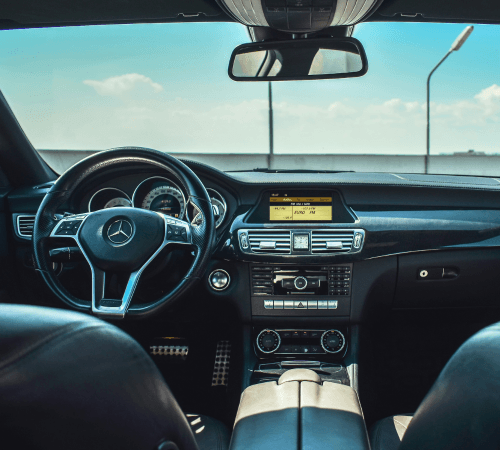
When buying a car, most of us focus on engine power, fuel efficiency, equipment, or design. However, there is another detail that many people overlook but become attached to once they notice it: the scent of the car. Today, scent design in automobiles has become a field of engineering and marketing in itself.
What Is the “New Car Smell”?
That famous “new car smell” is actually a combination of chemical compounds released from plastic, leather, fabric, and adhesives. Interestingly, people have grown so fond of this smell that some manufacturers deliberately try to preserve or recreate it.
Why Do Car Brands Care About Scent?
Smell is directly linked to human memory. The scent you notice when entering a car:
Enhances the feeling of comfort
Makes the car feel more “premium”
Strengthens brand identity
Improves the overall driving experience
Some premium brands consider scent harmony alongside durability and aesthetics when choosing interior materials.
Scent Design Is Even More Important in Electric Vehicles
Electric vehicles are almost silent. As a result, drivers become more aware of other senses. With increased silence, interior scent becomes more noticeable. Therefore:
Lighter, more natural scents are preferred
Artificial odors are minimized
Interior materials undergo special testing
Are Aftermarket Car Air Fresheners Useful?
Although popular, poorly chosen car air fresheners can cause headaches and distraction. Experts recommend:
Soft scents like vanilla and lavender
Avoiding overly sharp or chemical smells
Choosing products with natural ingredients
What Does the Future Hold?
Personalized scent systems will become common in future cars. Scent profiles that change according to driving mode (sport, comfort, focus) will become part of the driving experience.
Conclusion
Cars are not just means of transportation; they are multi-sensory experience spaces. Scent is an invisible yet powerful part of this experience. Next time you get into your car, listen not only to the steering wheel—but also to your nose.
Highly curated content, case studies, Riverside updates, and more.
Share this post:

Mercedes-Benz’s flagship S-Class enters 2026 with a comprehensive update. This refresh goes far beyond minor tweaks — it introduces significant improvements in design, technology, comfort, and driving experience.
2 days ago
View Detail
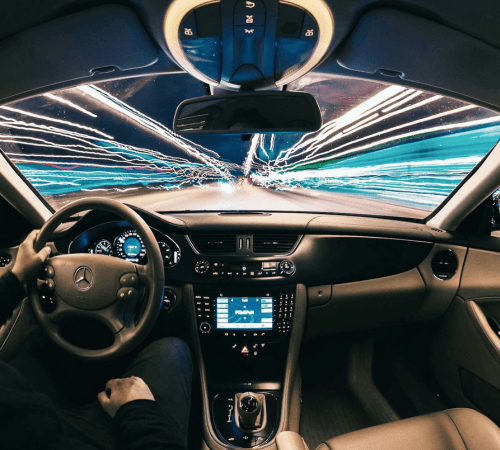
In the past, buying a car meant talking about engine size, horsepower, or fuel consumption. Today, completely different questions are coming to the forefront
3 days ago
View Detail
Buying a car is a long-term financial decision that requires careful research. Knowing what to consider when buying a car helps you choose the right vehicle while protecting your budget, we cover the most important points to consider when purchasing a new or used car.
4 days ago
View Detail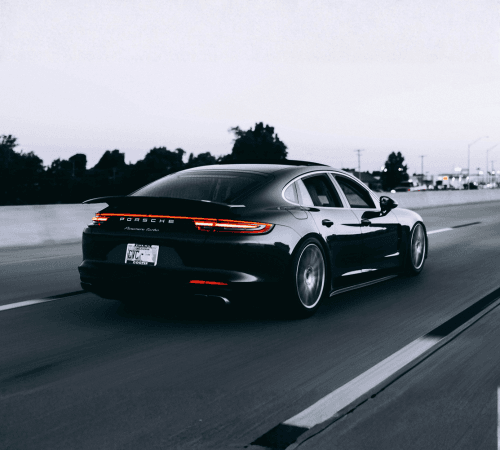
Modern cars have gone beyond being just a means of transportation. With advancing technology, vehicles have become smart devices that shape our lives in terms of safety, comfort, and connectivity.
5 days ago
View Detail