

Thousands of cars in one place to make your choice easier. Find the perfect match for your budget and style.
Blog>Cars as Mirrors of Cities: Reflections of Daily Life
Cars are often evaluated by technical features such as engine power, design, or speed. However, automobiles are also silent witnesses that reflect the spirit of cities and the lifestyles of people. By simply observing the cars on a city’s streets, you can sense its culture, economy, and even its dreams.

Writer
Last update: 5 days ago
Sabina

Cars are often evaluated by technical features such as engine power, design, or speed. However, automobiles are also silent witnesses that reflect the spirit of cities and the lifestyles of people. By simply observing the cars on a city’s streets, you can sense its culture, economy, and even its dreams.
Morning Traffic as a Ritual
The morning commute is a shared ritual of modern life. Some drivers sip their coffee, others listen to the news, while some prepare for the day in silence. In this moment, the car becomes more than a vehicle—it turns into a personal transition space.
Cars and Identity
The cars people choose often reflect their personalities. A compact city car may represent practicality, while a large, eye-catching vehicle can symbolize security, status, or freedom. In this sense, cars act like mechanical identity cards.
Parking and the Art of Patience
One of the most educational aspects of owning a car in the city is parking. Maneuvering in tight spaces, waiting, sometimes giving up—cars teach patience, respect, and boundaries. Driving becomes a subtle form of urban discipline.
Windows to the Future
Today’s cars open not only to roads but also to the future. Quiet engines, digital displays, and driver-assistance systems show a desire for calmer and more conscious city life. As cars evolve, so do cities and people.
Conclusion
Instead of focusing only on horsepower, we should also consider the invisible roles cars play in our lives. Because automobiles are more than transportation—they are mirrors of urban life.
Highly curated content, case studies, Riverside updates, and more.
Share this post:
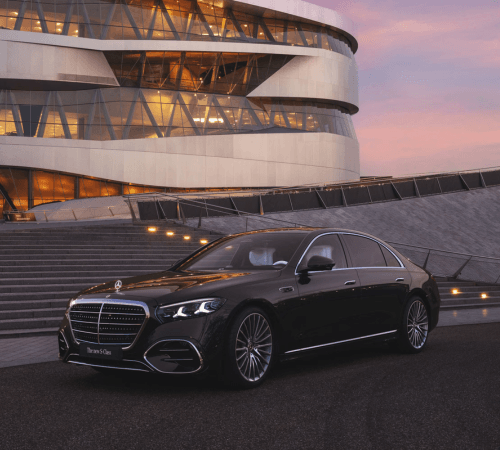
Mercedes-Benz’s flagship S-Class enters 2026 with a comprehensive update. This refresh goes far beyond minor tweaks — it introduces significant improvements in design, technology, comfort, and driving experience.
2 days ago
View Detail
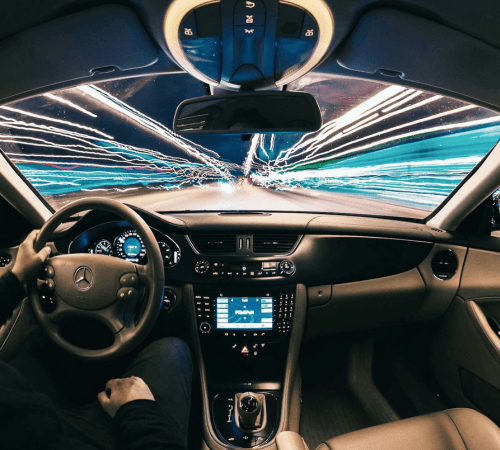
In the past, buying a car meant talking about engine size, horsepower, or fuel consumption. Today, completely different questions are coming to the forefront
3 days ago
View Detail
Buying a car is a long-term financial decision that requires careful research. Knowing what to consider when buying a car helps you choose the right vehicle while protecting your budget, we cover the most important points to consider when purchasing a new or used car.
4 days ago
View Detail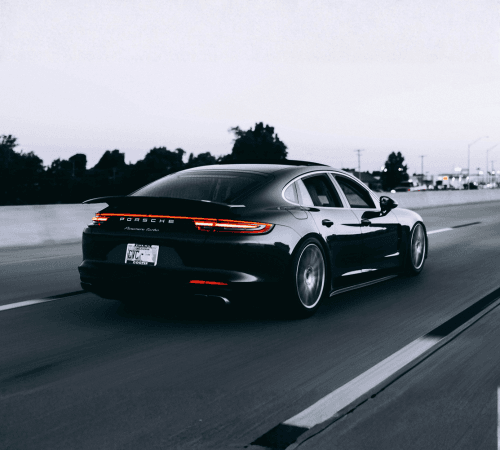
Modern cars have gone beyond being just a means of transportation. With advancing technology, vehicles have become smart devices that shape our lives in terms of safety, comfort, and connectivity.
5 days ago
View Detail