

Thousands of cars in one place to make your choice easier. Find the perfect match for your budget and style.
Blog>The Silent History of Cars: Lives Hidden in the Glove Compartment
A car’s engine, design, or brand is often discussed. But no one talks about the glove compartment. Yet every car carries a small archive of its owner’s life inside it. This article is not about cars themselves, but about the hidden stories of their owners.

Writer
Last update: 23 days ago
Sabina
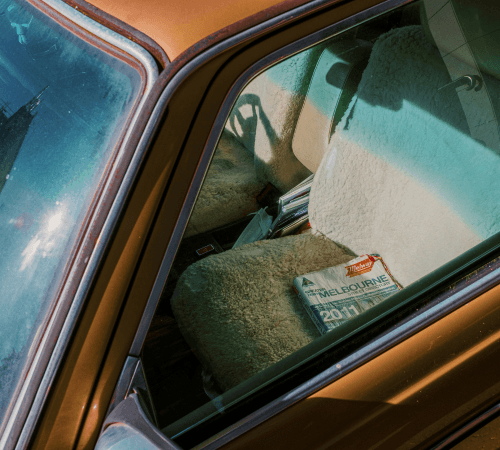
A car’s engine, design, or brand is often discussed. But no one talks about the glove compartment. Yet every car carries a small archive of its owner’s life inside it. This article is not about cars themselves, but about the hidden stories of their owners.
The Glove Compartment as a Time Capsule
An old registration paper, a crumpled fuel receipt, a parking card from years ago… These may seem like trash, but they are witnesses of a certain time. Even when people change cars, some carry these items into the new one. Because cars go, but memories stay.
The Interior Reflects Life Itself
Is there a gym bag in the back seat, or a child’s car seat? A person who always carries a blanket in the trunk does not live the same life as someone whose trunk is completely empty. The inside of a car quietly tells the story of its owner’s priorities.
Where Do Cars Really Rest?
Not in garages. Most cars spend their nights parked in front of apartment buildings or on narrow streets. This waiting reflects the owner’s pace of life. A car belonging to someone with a busy schedule rarely stays in one place for long—it keeps up with its owner’s rush.
What Remains After a Car Is Sold
People feel emotional when they move houses, but selling a car also leaves a strange emptiness. That car witnessed first job interviews, first vacations, and sometimes the hardest days. The new owner doesn’t know—but the car “remembers.”
Conclusion
Cars don’t speak, but they store memories. In glove compartments, between seats, in the corners of the trunk, small fragments of life accumulate. Perhaps that’s why some cars stay in our minds long after they’re gone—because what we remember isn’t the car, but the life we lived with it.
Highly curated content, case studies, Riverside updates, and more.
Share this post:
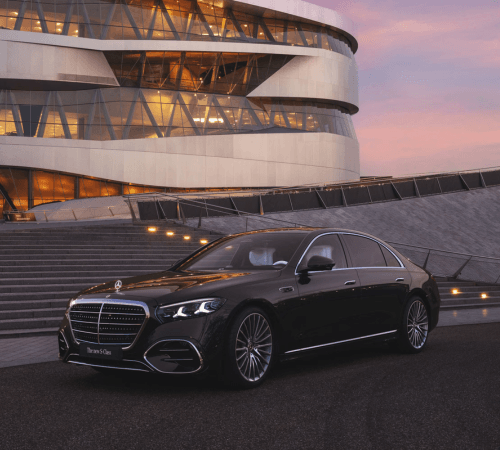
Mercedes-Benz’s flagship S-Class enters 2026 with a comprehensive update. This refresh goes far beyond minor tweaks — it introduces significant improvements in design, technology, comfort, and driving experience.
2 days ago
View Detail
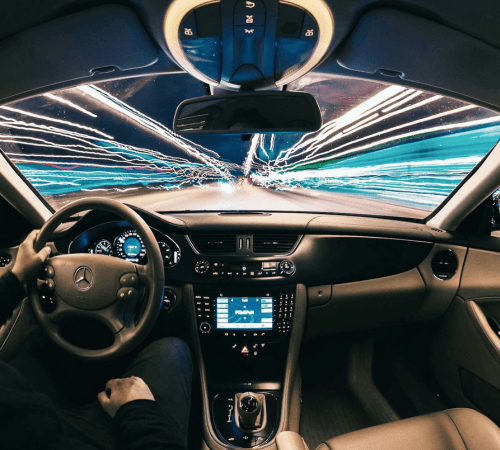
In the past, buying a car meant talking about engine size, horsepower, or fuel consumption. Today, completely different questions are coming to the forefront
3 days ago
View Detail
Buying a car is a long-term financial decision that requires careful research. Knowing what to consider when buying a car helps you choose the right vehicle while protecting your budget, we cover the most important points to consider when purchasing a new or used car.
4 days ago
View Detail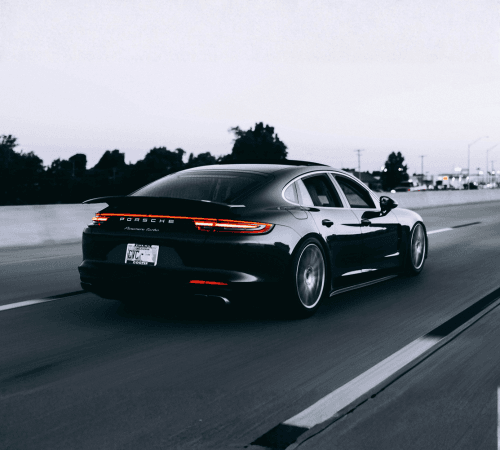
Modern cars have gone beyond being just a means of transportation. With advancing technology, vehicles have become smart devices that shape our lives in terms of safety, comfort, and connectivity.
5 days ago
View Detail