

Thousands of cars in one place to make your choice easier. Find the perfect match for your budget and style.
Blog>Automotive Industry and the Environment: The Future of Green Mobility
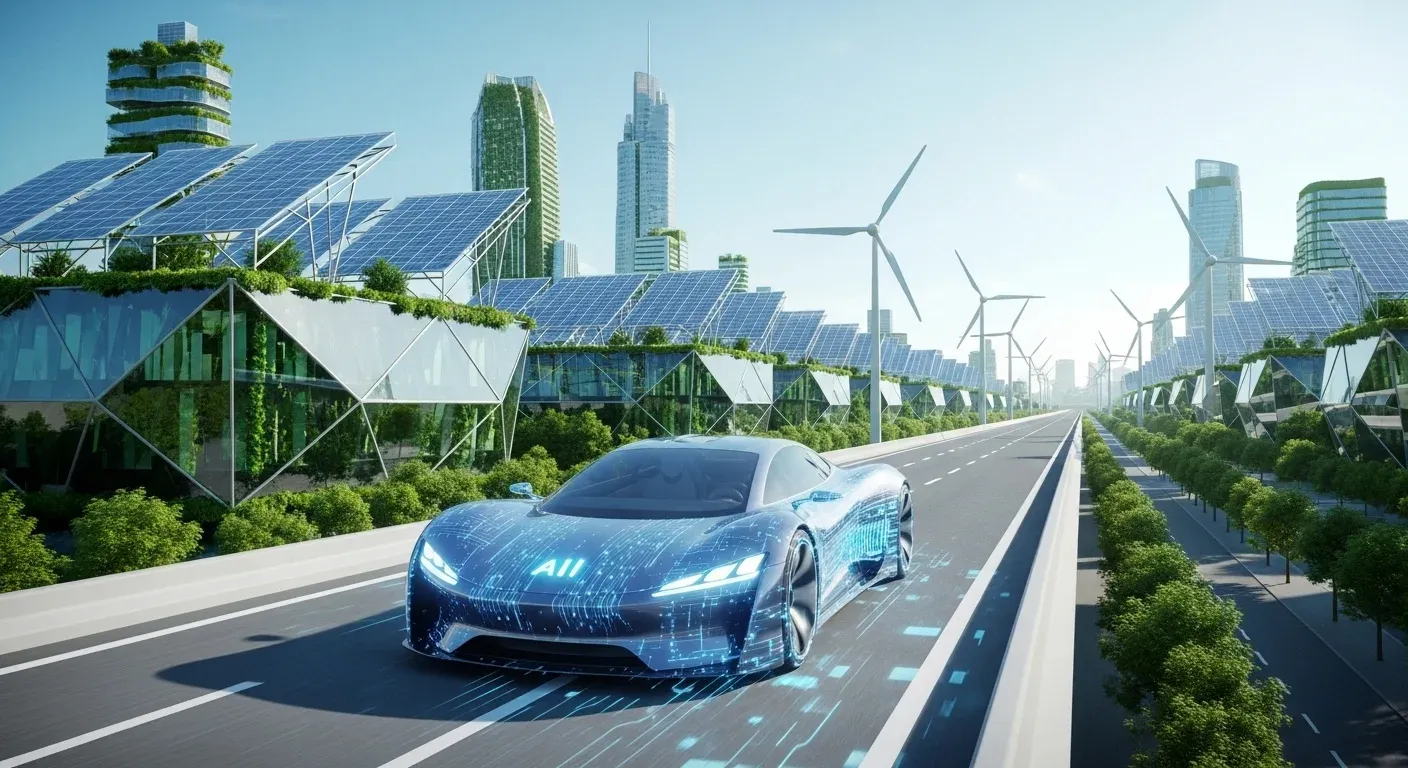
In recent years, the popularity of electric vehicles (EVs) and hybrids has grown rapidly. This trend is driven by efforts to combat climate change and reduce fuel costs.

Writer
Last update: 82 days ago
Sabina
Electric and Hybrid Vehicles
In recent years, the popularity of electric vehicles (EVs) and hybrids has grown rapidly. This trend is driven by efforts to combat climate change and reduce fuel costs.
Electric vehicles (EVs) produce zero emissions during operation.
Hybrid vehicles combine an internal combustion engine with an electric motor, reducing fuel consumption and harmful emissions.
In Azerbaijan, demand for hybrid and electric cars is rising. As charging stations increase in major cities, EV usage becomes more accessible.
Alternative Fuels: Hydrogen and Biofuels
Fuel options are not limited to electricity. New technologies are making vehicles more environmentally friendly:
Hydrogen vehicles: They only emit water vapor and are particularly suitable for buses and trucks.
Biofuel vehicles: Made from plant or organic waste, they reduce carbon emissions.
Carbon Footprint and Vehicle Production
Vehicle manufacturing impacts the environment:
Factories consume significant energy and contribute to carbon emissions.
Materials like steel, aluminum, and plastic require large amounts of energy to produce.
Many automakers are adopting green production technologies: solar power, energy-efficient factories, and recycled materials.
Car-Sharing and New Mobility Models
Car-sharing services, electric scooters, and bicycles reduce traffic congestion and help keep cities clean.
Sharing vehicles decreases individual car usage.
Using electric scooters or bicycles for short trips reduces diesel and gasoline emissions.
The Green Car of the Future
Full electrification of vehicles is expected in the next 10–15 years.
Automakers will continue producing models that meet environmental standards.
Cities will expand “green zones,” EV parking areas, and charging stations.
Conclusion:
The automotive industry plays a key role in protecting the environment. Electric vehicles, hybrids, hydrogen and biofuel technologies, and sharing models indicate a more sustainable and efficient future for mobility.
Highly curated content, case studies, Riverside updates, and more.
Share this post:

Mercedes-Benz’s flagship S-Class enters 2026 with a comprehensive update. This refresh goes far beyond minor tweaks — it introduces significant improvements in design, technology, comfort, and driving experience.
2 days ago
View Detail
In the past, buying a car meant talking about engine size, horsepower, or fuel consumption. Today, completely different questions are coming to the forefront
3 days ago
View Detail
Buying a car is a long-term financial decision that requires careful research. Knowing what to consider when buying a car helps you choose the right vehicle while protecting your budget, we cover the most important points to consider when purchasing a new or used car.
4 days ago
View Detail
Modern cars have gone beyond being just a means of transportation. With advancing technology, vehicles have become smart devices that shape our lives in terms of safety, comfort, and connectivity.
5 days ago
View Detail