

Thousands of cars in one place to make your choice easier. Find the perfect match for your budget and style.
Blog>A New Era in Automotive Plastic Recycling
Plastic has become an essential material in modern vehicle manufacturing. An average car contains around 240 kilograms of plastic, making up 14–18% of its total weight. However, recent analyses show that only a small portion of this plastic is successfully recycled back into production.

Writer
Last update: 83 days ago
Sabina
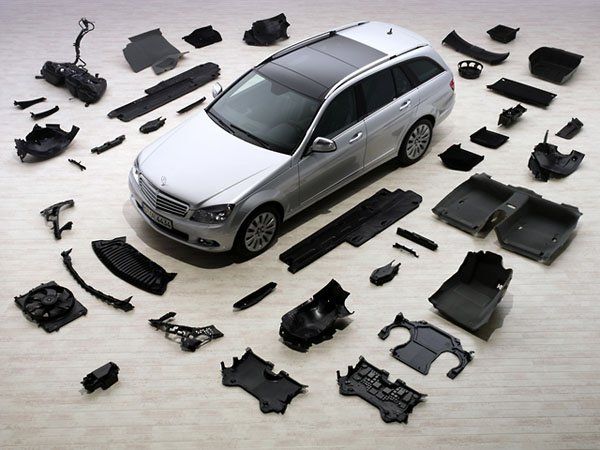
Plastic has become an essential material in modern vehicle manufacturing. An average car contains around 240 kilograms of plastic, making up 14–18% of its total weight. However, recent analyses show that only a small portion of this plastic is successfully recycled back into production.
Why Is the Recycling Rate So Low?
Only a limited amount of plastic removed from end-of-life vehicles can be reused.
A significant portion is incinerated for energy or sent to landfills.
Cars contain many different types of plastics. Thermoplastics are recyclable, but thermoset polymers are extremely difficult to reprocess.
Vehicle design typically does not prioritize easy separation of materials, increasing recycling costs.
Challenges Facing the Industry
Disassembly, sorting, and processing require significant time and money.
Automakers still use very low amounts of recycled plastics.
New regulations from both governments and manufacturers will be necessary to reach sustainability goals.
Expectations for the Future
Upcoming policies are expected to push manufacturers toward higher recycled-plastic usage.
“Design for recyclability” is likely to become a standard principle in car development.
Advanced sorting technologies will speed up recycling processes.
Greater use of recycled plastics can reduce environmental impact and production costs.
Why Does It Matter?
Plastic waste is one of the largest environmental challenges in the automotive sector.
Higher recycling rates directly reduce the industry’s carbon footprint.
It is crucial for achieving long-term sustainability targets.
Highly curated content, case studies, Riverside updates, and more.
Share this post:

Mercedes-Benz’s flagship S-Class enters 2026 with a comprehensive update. This refresh goes far beyond minor tweaks — it introduces significant improvements in design, technology, comfort, and driving experience.
2 days ago
View Detail
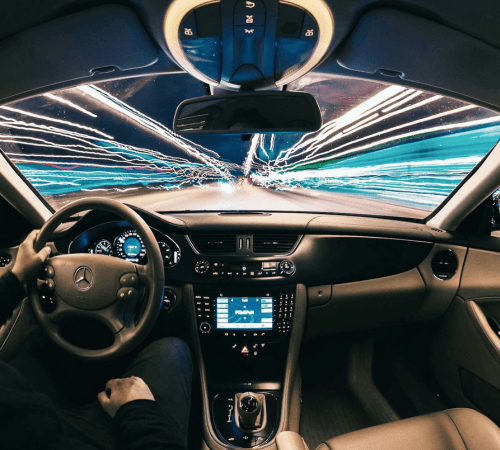
In the past, buying a car meant talking about engine size, horsepower, or fuel consumption. Today, completely different questions are coming to the forefront
3 days ago
View Detail
Buying a car is a long-term financial decision that requires careful research. Knowing what to consider when buying a car helps you choose the right vehicle while protecting your budget, we cover the most important points to consider when purchasing a new or used car.
4 days ago
View Detail
Modern cars have gone beyond being just a means of transportation. With advancing technology, vehicles have become smart devices that shape our lives in terms of safety, comfort, and connectivity.
5 days ago
View Detail