

Thousands of cars in one place to make your choice easier. Find the perfect match for your budget and style.
Blog>The Changing Landscape of the Used Car Market
In recent years, one of the most noticeable trends in the automotive industry has been the rise in demand for used cars. Several key factors drive this shift: the increasing price of new vehicles, production and supply chain delays, currency fluctuations, and the expansion of digital car sales platforms.

Writer
Last update: 86 days ago
Sabina

In recent years, one of the most noticeable trends in the automotive industry has been the rise in demand for used cars. Several key factors drive this shift: the increasing price of new vehicles, production and supply chain delays, currency fluctuations, and the expansion of digital car sales platforms.
Rising Prices and Delivery Delays for New Cars
Between 2023 and 2025, many manufacturers — especially European and Asian brands — faced production limits due to chip shortages and raw material costs. As a result, new car prices rose sharply and waiting times stretched to several months.
Naturally, buyers turned to the used car market, looking for low-mileage, well-maintained vehicles that could be purchased immediately and at a lower cost.
The Growth of Online Car Sales Platforms
Traditional car markets are being replaced by digital marketplaces such as Carvana, Autohero, Carvago, Otosfer, and Turbo.az.
Now, customers can view full vehicle histories, high-quality images, inspection reports, and expert reviews online without leaving home.
This transparency builds trust between buyers and sellers, while expanding access — a buyer in one city can easily purchase a car from another region.
Certified Used Cars and the Trust Factor
Customer concerns about accident history, mileage tampering, and hidden mechanical issues have led many dealerships to launch Certified Pre-Owned (CPO) programs since 2024.
These programs verify that a car has passed official inspections, uses original parts, and often includes a warranty.
As a result, the used car market is evolving into a professional, transparent, and trustworthy segment of the auto industry.
Financing and Insurance Options
Banks and leasing companies now offer financing and insurance for used cars, making them more accessible.
Dealerships also use trade-in programs, allowing customers to exchange their old cars for newer ones, simplifying the buying process.
Price Trends and the Road Ahead
While prices for used cars are starting to stabilize in 2025, demand remains high — particularly for compact and budget-friendly models.
The rise of electric vehicles (EVs) also affects the market: buyers are now evaluating battery health and charging infrastructure before purchasing.
Summary
The used car market is no longer just about “old vehicles changing hands.” It is becoming a smart, transparent, and digital ecosystem.
With more informed buyers and more reliable dealers, this sector will continue to grow and modernize in the years ahead.
Highly curated content, case studies, Riverside updates, and more.
Share this post:
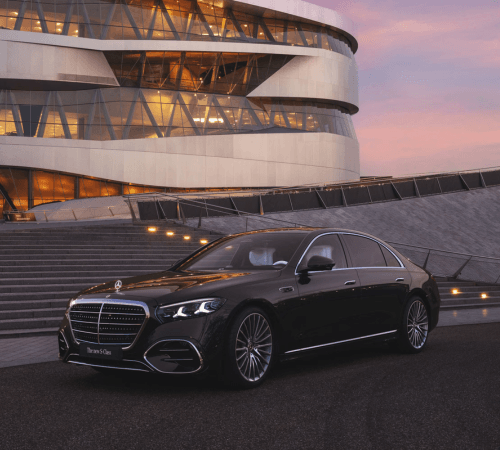
Mercedes-Benz’s flagship S-Class enters 2026 with a comprehensive update. This refresh goes far beyond minor tweaks — it introduces significant improvements in design, technology, comfort, and driving experience.
2 days ago
View Detail
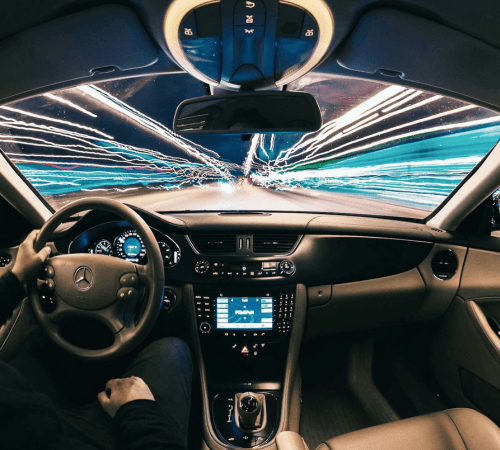
In the past, buying a car meant talking about engine size, horsepower, or fuel consumption. Today, completely different questions are coming to the forefront
3 days ago
View Detail
Buying a car is a long-term financial decision that requires careful research. Knowing what to consider when buying a car helps you choose the right vehicle while protecting your budget, we cover the most important points to consider when purchasing a new or used car.
4 days ago
View Detail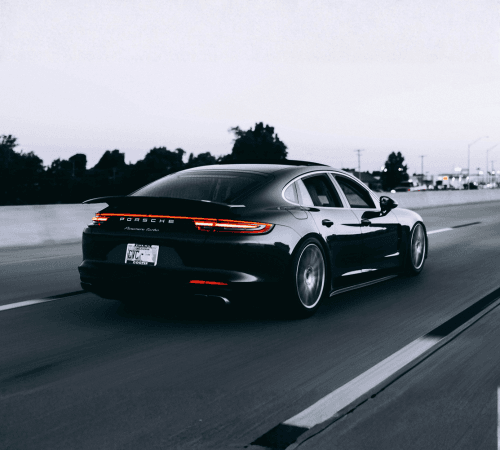
Modern cars have gone beyond being just a means of transportation. With advancing technology, vehicles have become smart devices that shape our lives in terms of safety, comfort, and connectivity.
5 days ago
View Detail